
Greek myths × tonight’s real sky
Zeus reads your night sky
Every evening Olympus checks the clouds over your city, the Moon and the stars, and Zeus names the myth that is actually shining above you tonight. Read it in three short chapters, pass a three-question Trial, then step outside and find it.
The idea
Star charts show dots. Myth books forget the sky. Neither tells you if it will be cloudy.
The Greeks named the constellations to remember their stories. Today a star app gives you Latin labels, a mythology book gives you text, and the weather app tells you nothing about the stars.
Olympus joins the three into one five-minute evening ritual. Its goal is measurable: witness all 30 classical constellations with your own eyes and know the myth behind each, one clear night at a time.
The evening ritual
Four steps, one night
-
I
The Oracle
Zeus finds the clearest dark hour in your viewing window and names tonight’s myth — with the reason, like “Pegasus stands high in the south-east at 22:00”.
-
II
The myth
Three illustrated chapters on warm marble, or four in the full version. Perseus, Orion, Callisto, Orpheus — retold from the classical sources.
-
III
The Trial
Three questions. Miss one and it comes back in a later Trial until you remember it.
-
IV
The Witness
Face this direction, look this high, find this bright star. Say “I saw it” and the bronze medallion turns gold in your Codex.
Features
What Olympus does
-
Weather omens
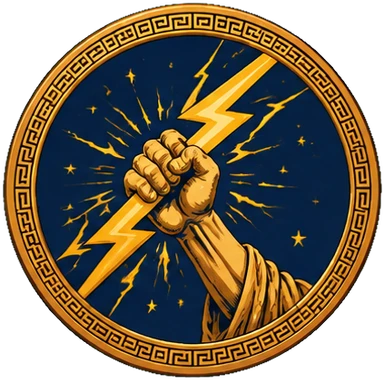
A storm brings the myth of Zeus’s thunderbolt, wind brings Aeolus, rain the weeping Hyades, fog the goddess Nyx.
-
Clear-sky window
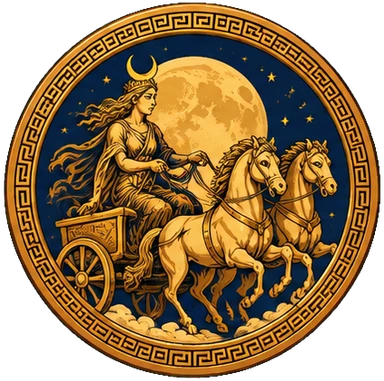
Hourly cloud cover and visibility for tonight, sunset, Moon phase and the best hour to step outside.
-
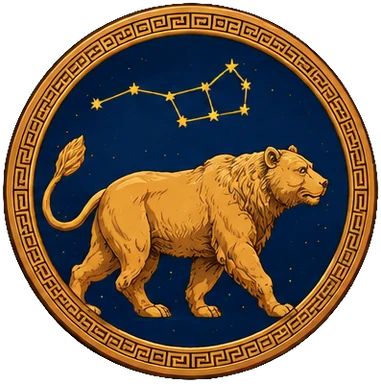
Sky Dome
Which constellations are above your horizon at any hour of the night, with direction and height. Calculated on the device, works offline, both hemispheres.
-
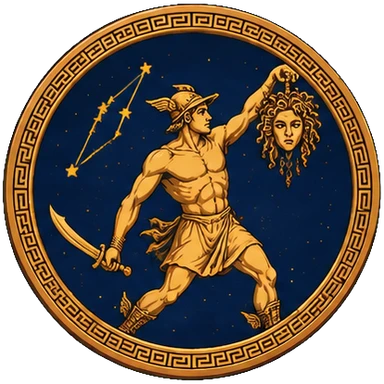
Codex of the Sky
36 myths as bronze medallions: unread, read, Trial passed, witnessed in gold. Filter by family and season.
-
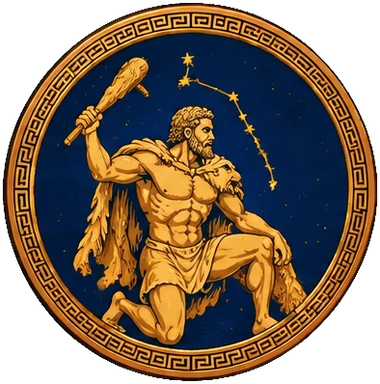
The 12 Labours
Goals in the spirit of Heracles: a seven-night streak, the whole Perseus family witnessed, every zodiac myth read.
-
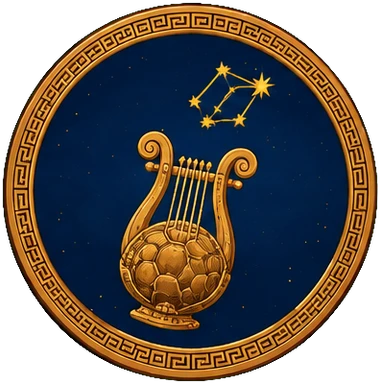
Night Journal
Every night you looked up, with its sky, Moon, myth, Trial score and sightings — plus streaks and progress.
- myths in the codex
- 36
- constellations to witness
- 30
- accounts or trackers
- 0
Interface
Night for looking up, marble for reading
The Bronze Dial at the bottom holds five stations — Oracle, Sky, Codex, Journal, Temple — and the thunderbolt opens tonight’s myth with one thumb.
Friday, October 16
Tonight’s Oracle
Best hour
22:00
Clear · 8% cloud
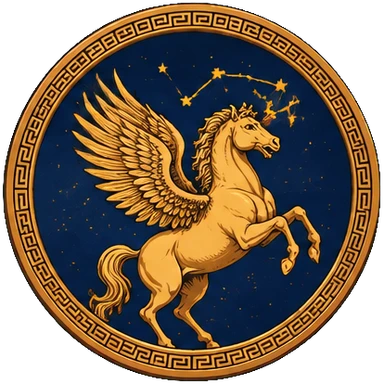
Pegasus
The Winged Horse
High in the south-east at 22:00
Your collection
Codex of the Sky
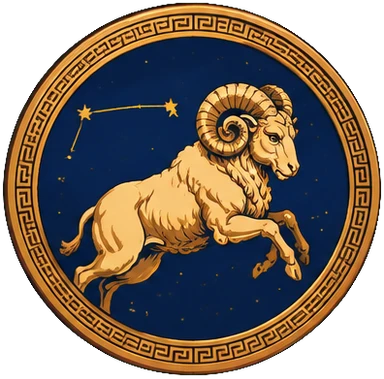
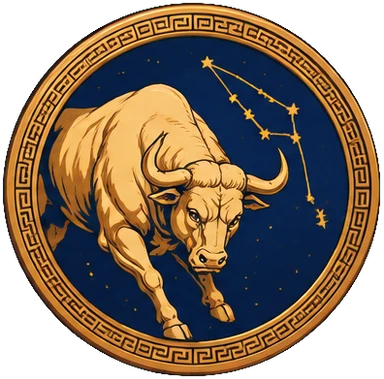
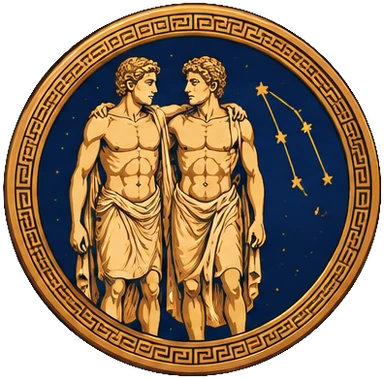
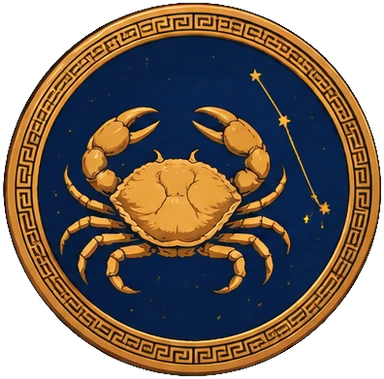
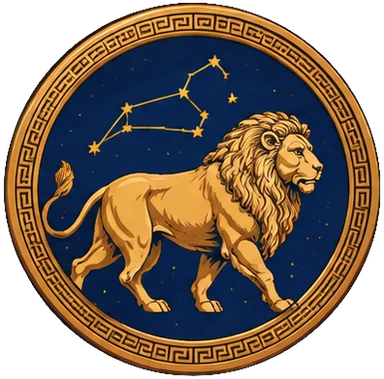
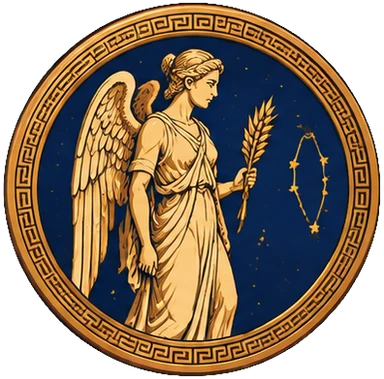
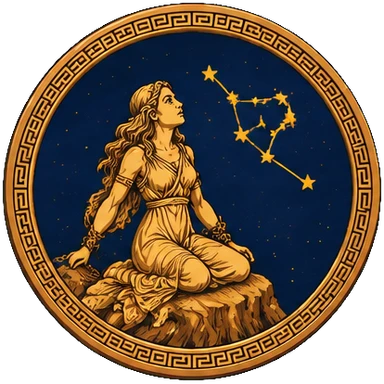
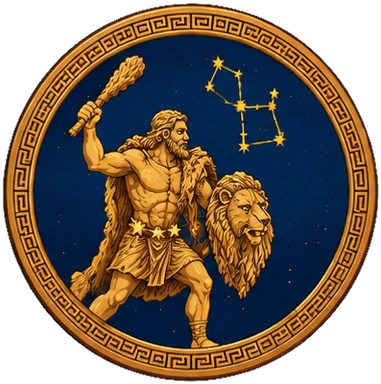
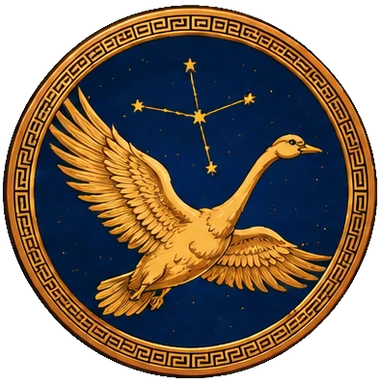
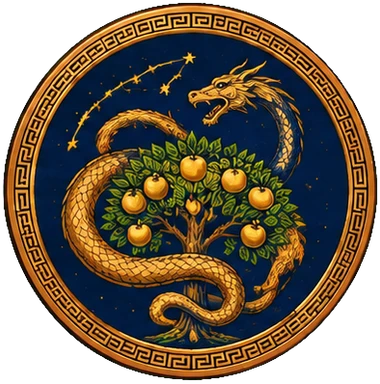
Gold ring = witnessed in the real sky
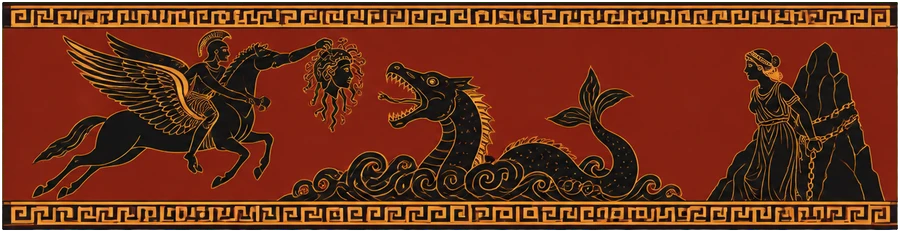
The Gorgon-Slayer
III · Never look at her
Athena gave him a polished bronze shield, Hermes a sickle-sword and winged sandals. At the Gorgons’ cave Perseus walked backwards, watching Medusa only in the mirror of the shield…
Real data, used sparingly
How the sky is read
The forecast comes from Open-Meteo: hourly cloud cover, visibility, weather, wind, sunset and sunrise. The app sends only your place’s coordinates, rounded to two decimals, at most once an hour or when you tap refresh.
Place search uses Open-Meteo geocoding, and only while you type a city name.
The stars and the Moon are calculated on your phone: sidereal time, constellation positions, darkness and Moon phase. Without a connection Olympus keeps working with the last saved forecast or the stars alone.
Weather data by Open-Meteo.com (CC BY 4.0). Place data by Open-Meteo.com / GeoNames.
Roadmap
Where Olympus is heading
Plans, not promises — in the order we intend to build them.
-
1.0 · Launch
The Oracle and the Codex
Oracle with weather omens; 30 constellations and 6 sky-omen myths; Trials, Witness, Codex, Night Journal and the 12 Labours; offline sky calculation.
-
1.1 · Planets
The wandering gods
Visible planets with their gods — Venus and Aphrodite, Mars and Ares, Jupiter and Zeus — and meteor-shower nights with their myths.
-
1.2 · Family nights
Stories for the whole family
A read-aloud mode for children and a larger-text reading theme.
-
2.0 · Beyond Greece
More names, more sky
A Roman names toggle and more constellations of the southern sky.
Privacy
Your sky stays on your phone
Stored on your device
Your place, preferences, codex, trial answers and journal live in the app’s local storage. There is no account and no server copy.
No tracking, no ads
No analytics, no advertising, no cookies, no purchases. Only rounded coordinates and typed city names go to Open-Meteo.
Export or erase anytime
Temple → Your Data exports everything as JSON or erases it all, with a confirmation first.
FAQ
Questions, answered
When will Olympus be available?
Olympus is being prepared for the App Store for iPhone. This page will be updated when it is live.
How much does it cost?
Nothing. There are no purchases, subscriptions or ads inside the app.
Do I need a telescope?
No. Every constellation in the codex can be found with the naked eye on a clear night. The Witness screen tells you which direction to face, how high to look and which bright star to find first.
What if it is cloudy?
Clouds are part of the story. Overcast nights bring Nyx, rain brings the Hyades, storms bring the thunderbolt of Zeus. You can still read and take the Trial, and witness the constellation on a clearer night.
Does it work in the southern hemisphere and offline?
Yes. Positions are calculated for your latitude, so the Oracle only picks what you can really see. Myths, Trials and the Sky Dome work without a connection.
Where is my data stored?
Only on your device. You can export it as JSON or erase it in Temple → Your Data.
Questions or ideas?
Write to us — a myth you miss, a star you could not find, or anything else.